Recycling Centre
Let us all do our bit This page is under construction so it is subject to change at a moments notice
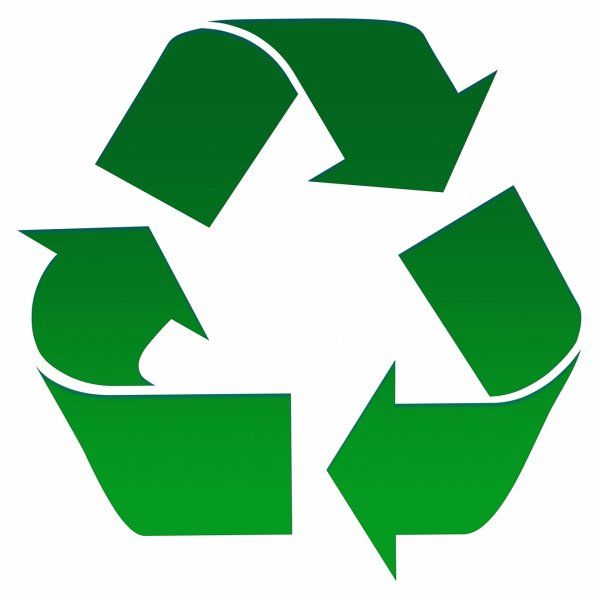
An indicator that any waste item is recyclable is normally indicated by the ‘Chasing Arrows’ international recycling logo with a number inside and suitable abbreviations to represent their respective materials

Or in some instances the ‘Three Arrows Folded’ is used either alone or in conjunction with other symbols
Plastic recycling
Plastic products are printed with numbers 1–7 depending on the type of resin:
Having a recycling code or the chasing arrows logo on a material is not an automatic indicator that a material is recyclable but rather an explanation of what the material is (types 1 and 2 are the most commonly recycled)
Type 1 is (polyethylene terephthalate) commonly abbreviated PET, PETE, or the obsolete PETP or PET-P, is the most common thermoplastic polymer resin of the polyester family and is used in fibers for clothing, containers for liquids and foods, thermoforming for manufacturing, and in combination with glass fiber for engineering resins. It may also be referred to by the brand name Dacron; in Britain, Terylene or, in Russia and the former Soviet Union, Lavsan.
Type 2 is (high-density polyethylene) (HDPE) or (polyethylene high-density) PEHD is a polyethylene thermoplastic made from petroleum. It is sometimes called “alkathene” or “polythene” when used for pipes.With a high strength-to-density ratio, HDPE is used in the production of plastic bottles, corrosion-resistant piping, geomembranes, and plastic lumber. HDPE is commonly recycled, and has the number “2” as its resin identification code (formerly known as recycling symbol) is found in most hard plastics such as milk jugs, laundry detergent bottles and some dishware
Type 3 is (polyvinyl chloride) more correctly but unusually poly(vinyl chloride), commonly abbreviated PVC, is the third-most widely produced synthetic plastic polymer, after polyethylene and polypropylene. It comes in two basic forms: rigid (sometimes abbreviated as RPVC) and flexible. The rigid form of PVC is used in construction for pipe and in profile applications such as doors and windows. It is also used for bottles and other non-food packaging. It can be made softer and more flexible by the addition of plasticizers, the most widely used being phthalates. In this form, it is also used in plumbing, electrical cable insulation, imitation leather, signage, inflatable products, and many applications where it replaces rubber. Pure poly (vinyl chloride) is a white, brittle solid. It is insoluble in alcohol but slightly soluble in tetrahydrofuran is also found in items such as shampoo bottles, shower curtains, hoola hoops, credit cards, wire jacketing, medical equipment, siding and piping
Type 4 is (low-density polyethylene) LDPE is a thermoplastic made from the monomer ethylene. It was the first grade of polyethylene, produced in 1933 by Imperial Chemical Industries (ICI) using a high pressure process via free radical polymerization. Its manufacture employs the same method today. The EPA estimates 5.7% of LDPE is recycled. Despite competition from more modern polymers, LDPE continues to be an important plastic grade, is found in shopping bags, squeezable bottles, tote bags, clothing, furniture and carpet
Type 5 is (polypropylene) (PP), also known as polypropene, is a thermoplastic polymer used in a wide variety of applications including packaging and labeling, textiles (e.g., ropes, thermal underwear and carpets), stationery, plastic parts and reusable containers of various types, laboratory equipment, loudspeakers, automotive components, and polymer banknotes. An addition polymer made from the monomer propylene, it is rugged and unusually resistant to many chemical solvents, bases and acidsand makes up syrup bottles, straws, Tupperware and some automotive parts
Type 6 is (polystyrene) (PS)is a synthetic aromatic polymer made from the monomer styrene. Polystyrene can be solid or foamed. General-purpose polystyrene is clear, hard, and rather brittle. It is an inexpensive resin per unit weight. It is a rather poor barrier to oxygen and water vapor and has a relatively low melting point. Polystyrene is one of the most widely used plastics, the scale of its production being several billion kilograms per year. Polystyrene can be naturally transparent, but can be colored with colorants. Uses include protective packaging (such as packing peanuts and CD and DVD cases), containers (such as “clamshells”), lids, bottles, trays, tumblers, and disposable cutlery.and makes up meat trays, egg cartons
Type 7 All other plastics such as bulletproof materials, 3 and 5 gallon water bottles, sunglasses and other plastics, such as acrylic, nylon, polycarbonate and polylactic acid PLA
Batteries recycling:
Type 8 Lead acid battery i.e. vehicle battery
Type 9 & Type 19 Alkaline battery
Type 10 Nickel-cadmiun battery NiCD
Type 11 Nickel-metal hydride battery NiMH
Type 12 Lithium battery Li
Type 13 Silver-oxide battery SO(Z)
Type 14 Zink-carbon battery SO(Z)
Paper products recycling:
Type 20 Cardboard C PAP (PCB)
Type 21 Other paper PAP Mail, magazines and mixed paper
Type 22 Wax Paper (single sided) PAP MacDonald’s fast food sandwich wrappers, meat packing and gum wrappers
Type 23 Paper board PBD (PPB) Book covers, greatings cards, frozen food boxes,video cassette boxes and some drink boxes
Metals recycling:
Type 40 Steel FE
Type 41 Aluminium ALU
Bio-matter recycling:
Type 50 Wood FOR
Type 51 Cork FOR Bottle stoppers, coasters and placemats
Organic materials recycling:
Type 60 Cotton COT
Type 61 Jute TEX
Type 62 – Type 69 Other Textiles TEX
Glass recycling:
Type 70 Mixed Glass Container or Multi-Part Container GLS
Type 71 Clear Glass GLS
Type 72 Green Glass GLS
Type 73 Dark Sort Glass GLS
Type 74 Light Sort Glass GLS
Type 75 Light Leaded Glass GLS Televisions, high-end electronics display glass
Type 76 Leaded Glass GLS Older televisions, ash trays, older beverage holders
Type 77 Copper Mixed/Copper Backed Glass GLS Glass electronics, LCD Display heads, clocks or watches
Type 78 Silver Mixed/Silver Backed Glass GLS Mirrors, formal table settings
Type 79 Gold Mixed/Gold Backed Glass GLS Computer glass, formal table settings
Paper composite materials recycling:
Type 81 Paper and Plastic PapPet Consumer packaging, pet food bags, cold store grocery bags, icecream containers, cardboard cans, disposable plates
Type 82 Paper and Fibreboard / Aluminium
Type 83 Paper and Fibreboard / Tinplate
Type 84 Paper and Cardboard / Plastic / Aluminium C/PAP or PapAl Liquid storage containers, juice boxes, cardboard cans, cigarette pack liners, gum wrappers, cartage shells for blanks, fireworks colouring material, Tetra Brik.
Type 85 Paper and Fibreboard / Plastic / Aluminium / Tinplate
Type 87 Card-Stock laminate with Biodegradable Plastic Laminating material Special occasion cards, bookmarks, business cards, flyers/advertising
Plastic composite materials recycling:
Type 90 Plastic and Aluminium
Type 91 Plastic and Tinplate
Type 92 Plastic and Miscellaneous Metals
Glass composite materials recycling:
Type 95 Glass and Plastic
Type 96 Glass and Aluminium
Type 97 Glass and Tinplate
Type 98 Glass and Miscellaneous Metals
Recyclate is a raw material that is sent to, and processed in a waste recycling plant or materials recovery facility which will be used to form new products. The material is collected in various methods and delivered to a facility where it undergoes re-manufacturing so that it can used in the production of new materials or products. For example, plastic bottles that are collected can be re-used and made into plastic pellets, a new product.
Rinsing
Tips for recycling
- Glass, aluminum cans, plastic beverage bottles: Rinse, remove lids. Labels are OK.
- NO plastic bags, food tubs, hard plastic, styrofoam, shrink wrap, foam rubber, ceramics, light bulbs, window glass, steel/tin cans, scrap metals, lawn furniture, building materials.
- Newspaper, cardboard, office paper: Includes newspapers, corrugated cardboard, boxboard (cereal boxes), brown paper bags, office paper (boxed or paper-bagged).
- NO magazines, telephone books, milk/juice cartons, wax-coated cardboard, food residue, plastic bags, rubber bands, string. Do not tie in bundles. Boxes must be flattened.
- Tin cans, scrap metal: Collect a Can reclaims metals such as tin cans from trash. Steel, aluminum, copper, brass, and other metals can be recycled through scrap dealers. They can be found in the yellow pages under “Scrap Metals.”