Radioactive Pacific 0cean from Fukishima
What is Water Pollution?
According to Wikipedia, “Water pollution is the contamination of water bodies (e.g. lakes, rivers, oceans, aquifers and groundwater). Water pollution occurs when pollutants are directly or indirectly discharged into water bodies without adequate treatment to remove harmful compounds. Water pollution affects plants and organisms living in these bodies of water. In almost all cases the effect is damaging not only to individual species and populations, but also to the natural biological communities.”
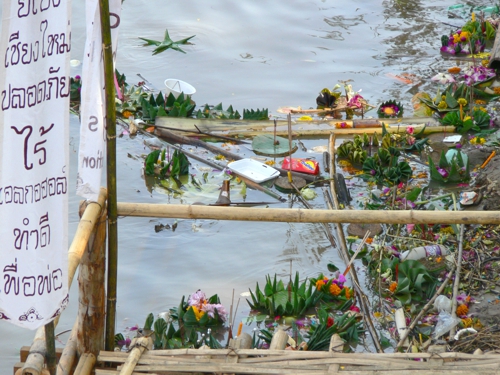
The lovely hues of nature with all the amazing greens, reds, magentas,yellows, oranges and whites, if you look carefully you may even catch a glimpse of blue
The basic problem that is not being addressed here is that we are breeding far too quickly and there are already too many humans on the earth for it naturally to cope with our manufacturing, farming and sanitation requirements. Each and every one of us is contributing to the contamination of our water resources by discarding industrial waste, our refuse and also by going to the toilet. All our waste will eventually find it’s way into our water in some form or other.
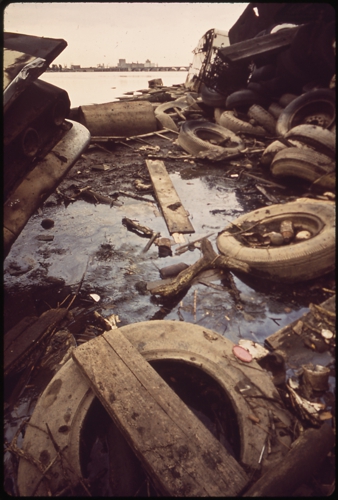
The beautiful hues of pollution with all the browns, beiges, blacks and greys if you look hard enough you may just catch a glimpse of blue
The millions of people that are dying each year from water problems actually appears to be a natural culling process that is assisting in keeping, our rapidly expanding population, somewhat controlled. Realistically, what would happen if these millions of people all survived to their ripe old age? Our already distressed Eco-system would become too strained to sustain us far more quickly than the estimated time period already projected by some scientists.
In 2010 on “World Water Day” the world population was 6.884 billion, it has now exponentially reached 7.405 billion and the estimated maximum carrying capacity of the earth is said to be 9-10 billion people in 2030 or so. In an “ideal world” we could all be encouraged to have smaller or more “economically sized” families to keep the earths population stable or even get to a stage, of negative growth for a while, to manage our earths resources more efficiently and have a bit of a cleanup.
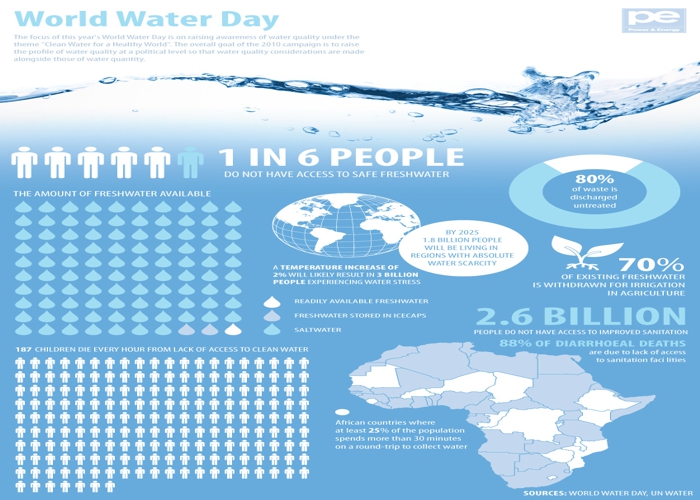
Info-graphic of the 2010 “World Water Day” when the world population was 6.884 billion. It has now reached 7.405 billion and some scientists estimate the maximum carrying capacity of the earth to be 9-10 billion
This not only affects the quality of the water but also poses an immediate danger to millions of people and myriad species of endangered animals, insects, bird life and aquatic species, due to the destruction or mutation of their habitats, ecosystems and food-chains.
This problem is exacerbated by disasters, hunting, poaching, agriculture, deforestation, climate change, human encroachment and massive maritime abuse of our oceans by industry, nuclear power plants, shipping companies, oil companies, fishing communities and sanitation establishments.
The most serious of the latest threats are Global Warming and Ocean Acidification caused by the emission and absorption of billions of tons of carbon dioxide and other greenhouse gasses. An estimated 30–40% of the carbon dioxide from human activity released into the atmosphere also dissolves into our oceans, rivers and lakes.
Some facts or some fiction regarding Water Pollution
Fact: The total volume of water available on Earth is about 1.386 billion cub. km (333 million cub. mi) which is about 75% of the earth that is covered in water
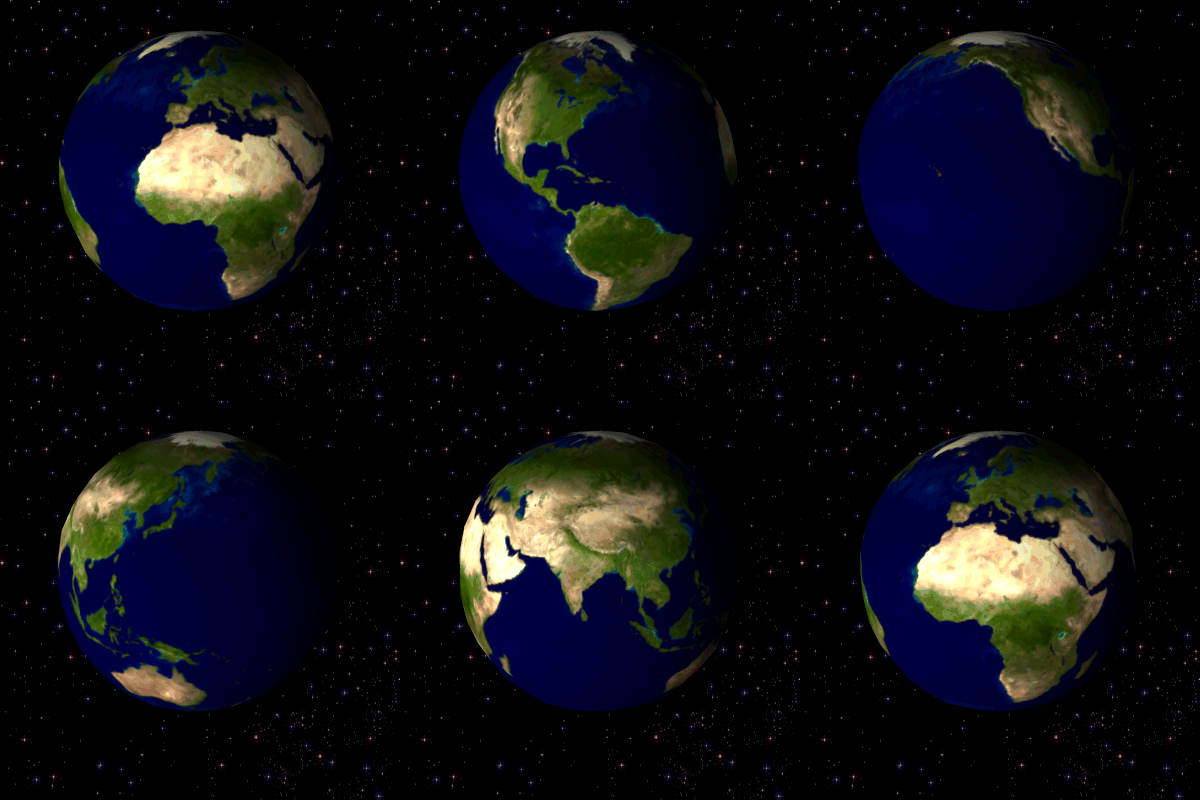
No place like home. The water to land ratio is 75% water to 25% land
Fiction: All the earths water is in our oceans or on the land – the lower mantle of inner earth may hold as much as 5 times more water than all the surface water combined
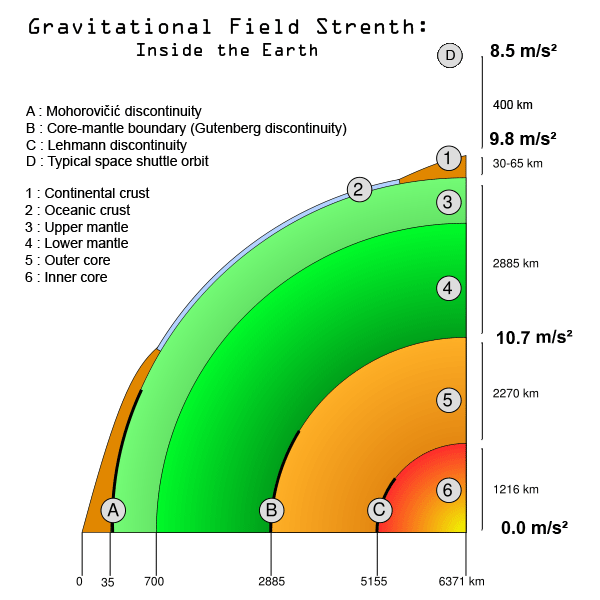
The lower mantle may hold as much as 5 times more water than all the surface water combined. Must be called heavy water
Fact: Salt water does not work for irrigation so over 70 % of the available fresh water is withdrawn, pumped or diverted for irrigation in agriculture
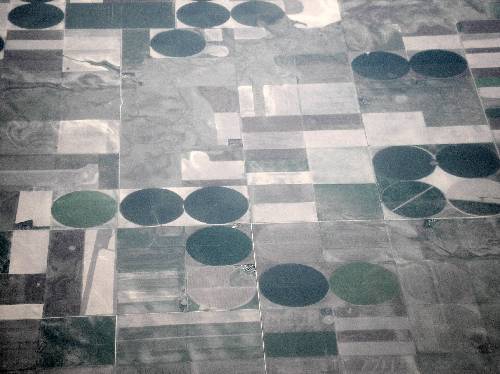
The circular areas shown here are center pivot irrigation, originally an exercise in water conservation. Crop circles perhaps?
Fiction: Irrigation is harmless will not affect the movement, evaporation, distribution, and quality of the available water on earth – many temporary or permanent negative effects normally manifest themselves above, below, adjacent to or downstream from the irrigating farm. Everything mentioned may or may not be affected and chemicals or compounds used for growth and pest control can be devastating to our environment through the contamination of ground water, river water or even evaporation into the atmosphere
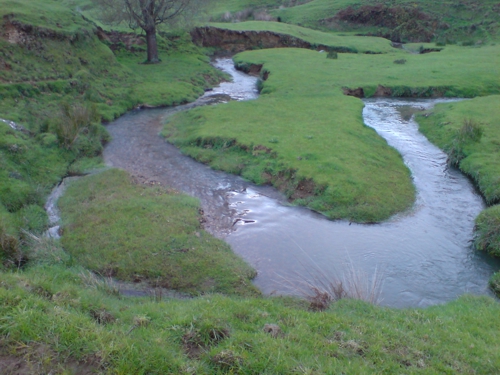
Looks nice and tranquil but this whole watercourse could slide away downhill at the drop of a hat due to agriculture induced erosion
Fact: Only 2.8% of the total water available on this planet is fresh water, including our ice caps and glaciers
Fact: Less than 1% of this available fresh water is readily accessible and 0.35% is drinkable
Fact: Around 70% of all industrial waste is dumped into the water bodies where they pollute the usable water supply
Fact: At least 320 million people in China do not have access to clean drinking water
Fact: In China, 27.2 percent of river water and 67.8 percent of lake water is undrinkable, according to the Ministry of Water Resources
Fact: Over 20% of the groundwater in China is used as drinking water which is highly contaminated with carcinogenic chemicals
Fact: Fourteen billion pounds of garbage mostly plastic, is dumped into the ocean every year
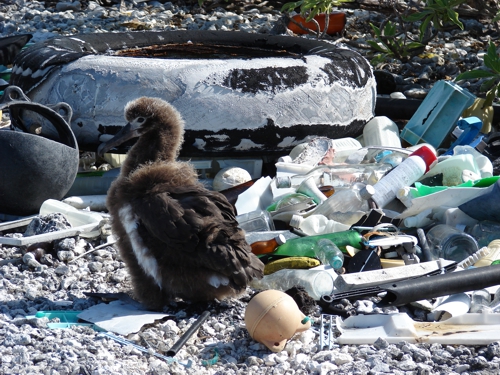
An albatros chick at chilling at home. What a cool nesting spot with all the comforts of home
Fact: The nuclear crisis that occurred in Japan after 2011 earthquake and Tsunami prompted the Japanese government to dump 850 000 litres (224 546 gallons) of treated contaminated water containing less than legal limits of 1500 becquerels per liter (330 – 600 becquerels per liter) of Tritium into the Pacific Ocean.
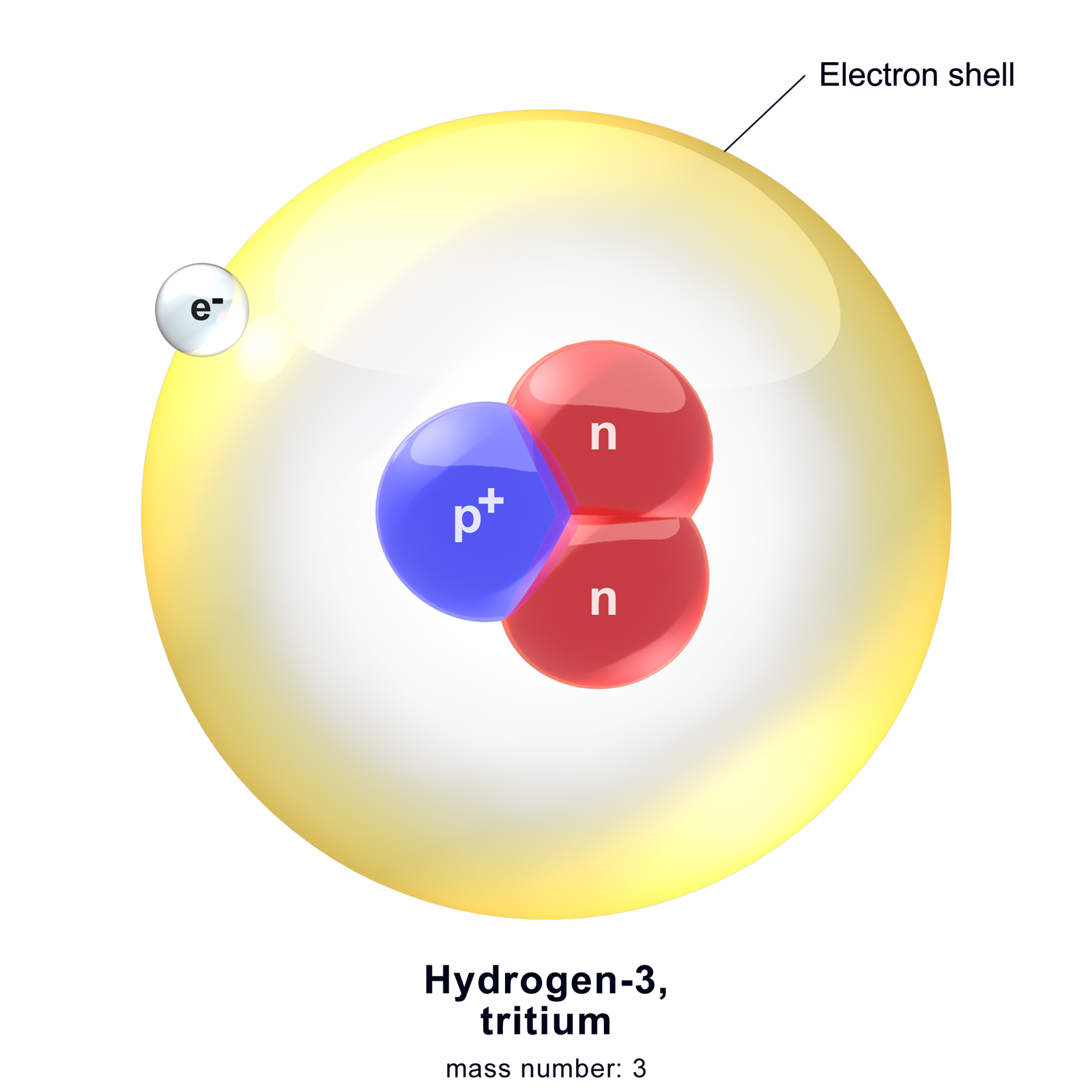
An atom of Tritium (/ˈtrɪtiəm/ or /ˈtrɪʃiəm/; also known as hydrogen-3) A pretty little atom isn’t it
Fiction: The above was only partly true in 2011 as a matter of fact this accident could be the worst radiation dump into the ocean that has ever occured as it is still ongoing as per the article on this link radioactivity in the oceans and this link Crippled Fukushima Reactors Are Still a Danger, 5 Years after the Accident
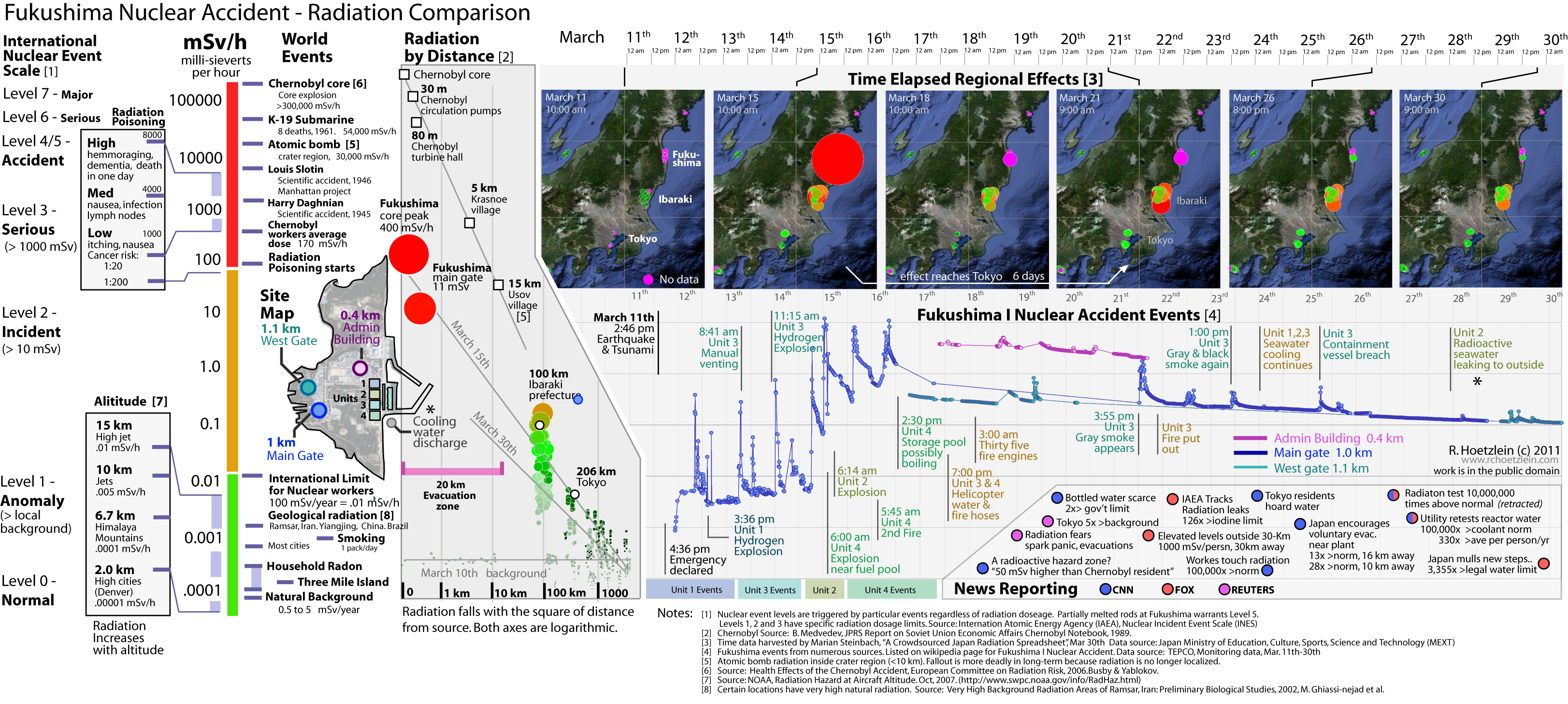
An infographic of the
Fact 9: 15 million children under the age of five die each year because of diseases caused by drinking water.
Fact 10: The Ganges river in India is one the most polluted in the world, it contain sewage, trash, food, and animal remains.

The Ganges river is said to be one of the most polluted bodies of water on earth. I cannot for the life of me imagine why
Fact 11: According to the WHO (World Health Organization) and United Nations Children Fund (UNICEF), around 2.5 billion people do not have access to improved sanitation.
Fact 12: The 2011 Tsunami in Japan created 70 km long island of debris which floated out into the Pacific Ocean and has since become widely dispersed or has washed up on Pacific beaches.
Fact 13: Ground water in Bangladesh is contaminated with arsenic. Arsenic is very toxic, acute poison and a carcinogen. Approximately 85% of the total area of Bangladesh has contaminated groundwater.
Fact 14: In America, 40% of the rivers and 46% of the lakes are polluted and are considered unhealthy for swimming, fishing or aquatic life.
Fact 15: According to UNICEF, more than 3000 children die everyday globally due to consumption of contaminated drinking water.
Fact 16: Water pollution is the major cause of various diseases like cholera and typhoid.
Fact 17: On an average 250 million people worldwide succumb to diseases related to water pollution.
Fact 18: According to the World Health Organization, 3.2 million children under the age of five in developing nations die each year as a result of unsafe drinking water and poor sanitation.
Fact 19: 80% of the water pollution is caused due to domestic sewage like throwing garbage on open ground and water bodies.
Fact 20: According to the survey done by Food & Water Watch cites that approximately 3.5 billion people in 2025 will face water shortage issues. This will be mainly due to water pollution. This is likely to happen because the world pollution is increasing tremendously with more water sources getting contaminated as a result of water pollution.
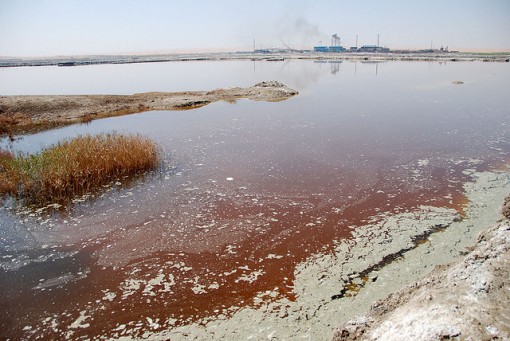
Fact 21: As per U.S. EPA estimates, every year in the U.S, 1.2 trillion gallons of sewage from household, industry and restaurants is dumped in to U.S. water annually.
Fact 22: Asia has maximum numbers of polluted rivers than anywhere else in the world. Most of it contains bacteria created from human waste.
Fact 23: Plastic waste being a major water pollutant, is causing huge destruction of marine life and is believed to be responsible for deaths of more than 100,000 sea mammals, sea birds and various types of fishes.
Fact 24: Canada has 10 most polluted rivers- some of which are Petitcodiac River, Okanagan river and Eastmain River.
Fact 25: The waste produced in the river contains bacteria, parasites and viruses. These cause life- threatening diseases like diarrhoea, cholera and typhoid.
Fact 26: Rivers in Asian subcontinent re considered to be the most polluted. The bacteria (from human waste) found in these rivers are 3 times as much as that of the global average.
Fact 27: About 700 million people worldwide drink contaminated water.
Fact 28: Important water contaminants which are man-made include heavy metals, nutrients, microbial pathogens, sediments, organic matter etc.
Fact 29: About 1.2 billion people or 1 in 3 people in rural areas defecate in the open. Open defecation poses an human health risk and compromises quality in nearby water bodies.
Fact 30: Aquatic animal have faced an estimated extinction rate five times more than that of terrestrial animals.
Fact 31: According to WHO and UNICEF, approximately 894 million people globally don’t have access to improved water sources.
Fact 32: Over 30 billion tons of urban sewage discharged into lakes, rivers and oceans each year.
Fact 33: Leather and chemical industries cause are major contributors of water pollution and are emerging leading market economies.
Fact 34: Two million tons of human waste is disposed in water everyday.
Fact 35: As per reports by UNESCO, 27% of the urban population do not have piped water in their homes.
Fact 36: An estimated 1000 children die every day in India due to polluted water.
Fact 37: Lack of safe drinking water and sanitation in cities leads to cholera, malaria and diarrhoea.
Fact 38: Huge oil spill was caused by BP in the year 2010. Over 1,000 animals i.e. birds, turtles, mammals have been reported dead and many of them were on the endangered species list.
Fact 39: Each year 1.2 trillion gallons of untreated sewage, storm water, and industrial waste are dumped into U.S. waters.
Fact 40: Cruise ships are also a major source of water pollution. They produce over 200,000 gallons of sewage which is mostly released in the ocean. Apart form that, they are also causing at least 35,000 gallons of water contamination due to oil spill.
Even though people have already started taking precautions, the water pollution levels are rising rapidly and there is very little hope left to the polluted water bodies. One big step that every human being can take to prevent water pollution is to minimize water contamination and wastage from their side at every possible level. This was we will be able to save some clean water for the future generations.
References: http://www.nrdc.org/water/